Man with a van in East Ham

Our man with a van in East Ham service is built for practical moving tasks that need careful handling, a suitable vehicle and straightforward coordination. It suits household items, single-room moves, collections, deliveries and light removals where a full-scale removal lorry would be unnecessary. We focus on moving possessions safely, keeping the load organised and making the process easier to plan when access, parking or timing need to be considered in advance.
Because every move is different, the service can cover a wide range of jobs without becoming overcomplicated. That might include transporting furniture, boxes, appliances, garden items, business stock or a small office load. We use the same careful approach whether the journey is short or longer, with attention to loading, securing and unloading so items travel sensibly. If you need a simple, flexible option, this is a reliable way to arrange the job.
The best way to begin is to request a quotation with a clear description of what needs moving, where it is going and any access points that could affect the work. A short list of items is usually enough to start the conversation, and it helps us judge the vehicle size and the time required. You can keep the request simple at first and add detail later if needed.
Household moving support
Household jobs often need a balance of care and efficiency, especially when items are bulky, fragile or awkward to carry through narrow spaces. Our home-moving work can include furniture, white goods, boxes, personal belongings and mixed loads that do not fit neatly into one category. The service is suitable for flat moves, room clearances between properties and smaller domestic transfers where the priority is a controlled, organised move rather than a one-size-fits-all approach.
When planning a domestic move, it helps to think in terms of item type rather than simply volume. Sofas, wardrobes, beds and tables may need different handling from sealed boxes or bagged belongings, and that affects the loading order. For a smoother process, it is useful to group breakable items together, note anything that can be dismantled and keep pathways as clear as possible. Home moves can be discussed alongside the access at both ends, so the arrangement suits the property rather than forcing everything into a fixed pattern.
Some customers only need help with one part of the move, such as collection from storage, transfer from a rented property or delivery of an item bought elsewhere. Others need a fuller service with loading and unloading at both addresses. Either way, the aim is to make the move feel manageable, with practical transport and sensible planning. If you are comparing options, ask for a quote once you know the items and locations involved.
Furniture, single items and light collections
Not every booking is a house move. Sometimes the job is simply to move one heavy item, several pieces of furniture or a small collection of goods that would be difficult to transport in an ordinary car. This sort of work benefits from a van-sized service because it can be arranged around the item itself rather than around a full property clearance. It also helps when the load includes pieces that should be kept upright, protected or separated during transit.
We can help with items such as wardrobes, beds, desks, chests, tables, chairs, boxed belongings and similar pieces that need sensible loading. If the job involves multiple stops, it is usually helpful to keep the route and drop-off order clear from the start. Furniture pick-up is a useful option when you are collecting from a seller, storage unit or another property and want the load moved directly and securely.
Good preparation does not have to be complicated. A note about item dimensions, floor level, lifting challenges or any detachable parts can make a practical difference when the vehicle is being planned. If a piece is delicate, awkward or unusually heavy, saying so early helps us consider the handling requirements. For straightforward furniture work, the right arrangement often comes down to clear information and a careful approach on the day.
Office and commercial removals
Commercial jobs bring different priorities from domestic moves, especially when the focus is on keeping equipment together and reducing disruption to the working day. Our office relocation and commercial moving work can include desks, chairs, filing items, boxed paperwork, IT equipment and stock that needs organised transport. The service is suitable for smaller offices, satellite spaces, business storage transfers and practical relocations where a flexible van-based move is the best fit.
For office work, it is often best to separate items into categories before the move begins. Loose paperwork should be boxed, computer leads kept with the right equipment where possible and fragile items identified clearly. Office relocation services are especially useful when you need transport for a more structured business move and want the load handled in a way that reflects how the workplace operates.
Commercial moving can also include collection from a supplier, delivery of office furniture to a new premises or transport between storage and a workplace. The main advantage of planning it carefully is that it reduces confusion when the vehicle is loaded and unloaded. If the move has more than one stop, or if access is limited at any address, explain that in the enquiry so the schedule and handling can be set out clearly.
Why a van-based move works well

A van-based move is often the practical middle ground between doing everything yourself and arranging a large removal operation. It can be well suited to jobs that are too awkward for a car but too modest to justify more complicated logistics. That includes partial house moves, deliveries of bulky purchases, student relocation loads, storage transfers and collections that need a vehicle with more space, stronger loading options and a sensible layout for mixed items.
The advantage is flexibility. A van can usually be matched to the job size more efficiently, which helps when the load contains a combination of furniture, bags, cartons and loose household objects. Removal van information is useful if you want to understand the transport side of the service, while the actual moving task still depends on what is being loaded, where it is going and whether there are any lifting or access concerns.
For many customers, the decision is less about the label and more about the outcome: moving belongings without unnecessary stress. A sensible van service supports that by keeping the process direct. It is not just about transport; it is about loading order, care with items and making sure the move can be completed in a way that suits the addresses involved. Clear details at the start usually lead to a smoother move overall.
Packing support and load preparation
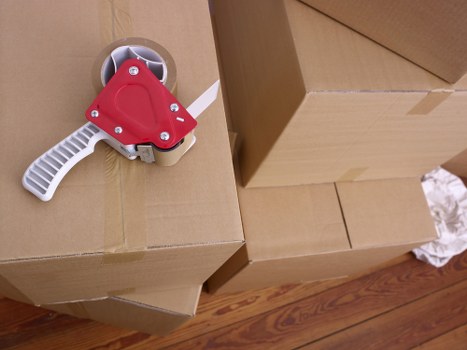
Packing can make a major difference to how quickly a move is completed and how well items travel. Our packing and unpacking service is useful when belongings need to be grouped properly, protected from movement or made easier to carry. It can help with fragile items, mixed household goods, office supplies and items that are awkward to move loose. Careful packing also supports better use of the van space because boxes and wrapped items can be stacked more predictably.
Good packing starts with separation. Heavy objects should not be mixed with delicate ones, and loose items are usually easier to move once they are in sealed cartons or bags. Packing and unpacking services can be discussed as part of the moving plan if you want help with preparation before transport or with settling items after delivery. That can be especially useful for busy households or time-sensitive business moves.
If you are packing yourself, keep the most important details visible: what is fragile, what should remain upright and what must not be stacked on top. These small notes can help the move run more efficiently and reduce the chance of confusion during loading. For mixed loads, a little organisation before the van arrives often saves time later and makes the whole process feel more settled.
About East Ham
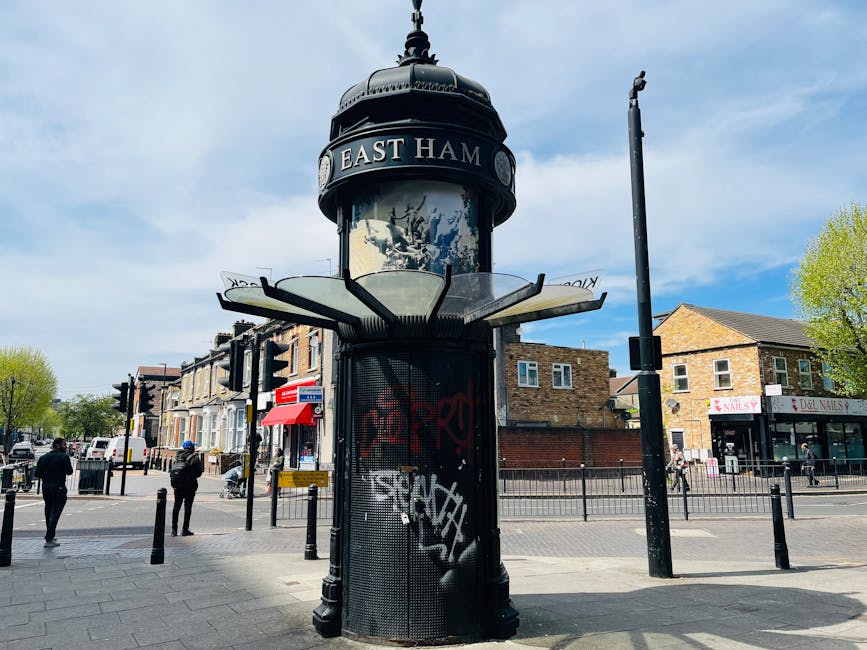
East Ham is a district in the London Borough of Newham in east London, with a history shaped by the gradual growth of suburban housing, civic development and transport connections into the capital. The area was long associated with parish boundaries before becoming part of larger municipal structures, and its streets still show layers of that development in the mix of terraces, post-war estates and later infill building. The high street remains an important local axis, with shops, services and everyday footfall giving the district a busy urban character. Green space is an important counterpoint: Central Park is a well-known public park in the area, providing open land, trees and routes for walking and recreation. East Ham also sits within reach of larger east London routes and rail connections, which have helped tie it into the wider city over many decades. Religious and cultural diversity is visible in the range of community uses, food businesses and places of worship found across the district, while the built environment includes schools, libraries and civic facilities that reflect its role as a substantial residential quarter. The name East Ham connects to a much older settlement history, but the place today is best understood as a densely populated, everyday part of London where local life is shaped by movement, commuting and a strong mix of housing types.
Practical choices for mixed loads

Many jobs are neither purely domestic nor purely commercial. They involve mixed loads: a table and chairs, several boxes, some soft furnishings, a desk, a bike or a few storage items that all need to travel together. In those cases, the key decision is often how to sequence the job so the items can be handled safely and delivered in the right order. Our moving service is well suited to these blended requests because it stays flexible without becoming vague.
A mixed load usually works best when the items are grouped by fragility and shape. Flat items can be laid with care, boxed goods can be stacked more neatly and awkward pieces can be positioned where they are least likely to shift. Man and van removals are especially relevant when you want a transport and lifting solution that can adapt to this sort of varied load rather than treating everything as though it were identical.
One useful way to think about the move is in terms of priority items and secondary items. The priority pieces are the ones that are large, heavy or essential on arrival, while the rest of the load can be arranged around them. If you already know which pieces matter most, you can mention that during the quote request so the loading sequence is planned with those items in mind.
What affects the quotation
Pricing for moving work depends on practical details rather than a single fixed pattern. The main factors are usually the amount and type of items, the distance between addresses, access at both ends, whether stairs or narrow entries are involved and whether the move includes one journey or several stops. A sensible quotation also takes into account any special handling that may be needed for particularly heavy, fragile or awkward pieces.
It helps to give a broad but honest picture of the job at the start. If there are items in storage, if parking is restricted or if a long carry is likely, those details are relevant because they affect how the move is planned. Pricing and quotes information can support that conversation by showing how enquiries are approached and what kind of information is useful when the work is being estimated.
When you are ready to compare options, keep the request focused on the moving task itself. List the main items, mention the addresses and note anything that might complicate loading or unloading. That way the quotation reflects the real job rather than a rough guess. A clear enquiry usually makes the next step easier.
Planning, access and moving day details
The most useful preparation is often the simplest: knowing what is being moved, where it is going and how the loading will work. If a property has a lift, a narrow stairwell, a basement level or limited parking, that information can change the plan significantly. These details are especially important where items are large, the route is tight or the move includes several trips between vehicle and property.
It also helps to separate what must be collected from what can stay behind or be moved later. That makes it easier to avoid confusion on the day and helps keep the schedule tidy. Contact us is the right step once you have the basics prepared and want to discuss the move, but even before that, a simple written list can be enough to make the enquiry productive. A good plan saves time for everyone involved.
If you are arranging a move for someone else, or if the job is part of a larger property change, note who will be present and how access will be managed. That is not about adding complexity; it is about reducing it. The more clearly the job is described, the easier it is to match the vehicle and the lifting to the situation at hand.
House moves, removals and larger transport needs

Although many people first think of a van service as a single-item solution, it can also support fuller house moves when the load is modest or when only part of the household is being moved. That may include a flat, a studio, a few rooms of belongings or a combination of furniture and boxes that is manageable without a larger removal operation. The approach remains the same: careful loading, sensible transport and unloading that reflects the items involved.
If you are comparing broader removal options, it can be useful to look at how different service pages describe the work. Removals covers the wider moving category, while our van-based offering is a more flexible fit for smaller or more specific jobs. Some customers only need transport, while others want help across the whole move. The right choice depends on scale, access and the kind of items being carried.
To move forward, keep your enquiry concise but complete. Tell us what needs to move, where it is going and when it is needed, then request a quotation in plain terms. If the job is small, straightforward or mixed, that is fine; if it is more involved, mention that too. Send the details that matter and we can take it from there.