




East Ham Park to Green Street flat removals case study
Posted on 02/06/2026
East Ham Park to Green Street Flat Removals Case Study
Moving from East Ham Park to Green Street might look like a short hop on the map, but flat removals in this part of East London can be a different story once you factor in stairwells, parking, tight entrances, and the simple chaos of a move day. This East Ham Park to Green Street flat removals case study breaks the process down in a practical, no-nonsense way so you can see what a well-organised local move actually involves. If you are weighing up a flat move, trying to avoid damage, or just want a smoother day with fewer surprises, you are in the right place.
We will look at how a typical local flat removal is planned, what matters most in a shorter urban move, where delays usually creep in, and which decisions make the biggest difference. Along the way, you will also find useful links to related guides and services, including flat removals in East Ham, packing and boxes in East Ham, and the broader services overview. Lets face it, a local move should feel manageable, not like a full-scale military operation.
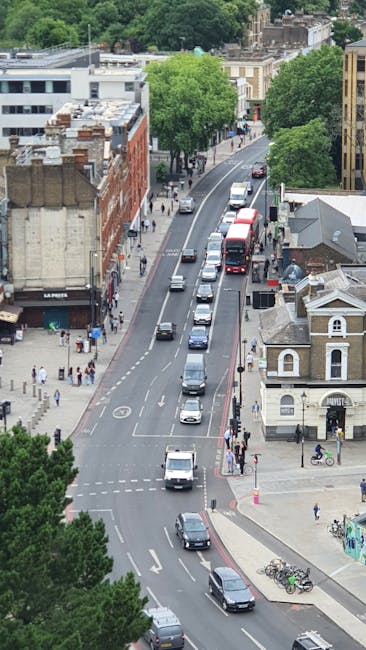
Why East Ham Park to Green Street flat removals case study Matters
A local flat move is a useful case study because it shows the real moving conditions people deal with every day in East Ham. The distance between East Ham Park and Green Street is not the hard part. The challenge is everything around the move: carrying furniture through narrow hallways, managing shared entrances, keeping the neighbours happy, and making sure the van can stop without turning the pavement into a bottleneck.
This matters because small moves are often underestimated. People assume a short journey means a simple job, but flat removals usually require more coordination than expected. A sofa that fits in your current lounge still has to clear corners, doors, banisters, and sometimes a lift that is just slightly too small for comfort. That is the bit people forget until moving day, and then, well, the room gets very quiet.
For renters, landlords, and first-time movers, the value of a local case study is clarity. It shows what to prepare, what to ask the removal team, and where extra care saves time and money. If you are still at the stage of comparing service levels, the removal services in East Ham page is a helpful starting point, especially if you are deciding between a small van job and a more structured flat removal.
How East Ham Park to Green Street flat removals case study Works
In practice, this kind of move usually starts with a quick assessment of what needs to go, how much access there is, and whether any bulky or fragile items need special handling. That assessment is often where the move succeeds or goes sideways. A good mover does not just count boxes. They think about the route from flat to van, the parking space, the loading order, and the delivery point at the other end.
The process is usually straightforward, but it works best when each stage is treated properly:
- inventory the main items and estimate the volume
- check access at both properties, including stairs and lift size
- plan parking and loading as early as possible
- protect furniture, floors, and door frames
- load heavier items first, then stack by weight and fragility
- unload in a sensible order so the new flat does not become a maze
It sounds simple. In reality, the difference between a smooth move and a stressful one usually comes down to two or three early decisions. For example, if you know there is a heavy wardrobe or awkward sofa involved, it is worth looking at specialist support such as furniture removals in East Ham rather than treating everything as a standard box move. The same goes for delicate items like pianos, where the wrong approach can cause expensive damage quickly, so a dedicated service such as piano removals in East Ham may be the safer choice.
Truth be told, the best flat removals often look uneventful. That is the goal. Less drama, fewer pauses in the stairwell, and no desperate reshuffling in the street while somebody tries to hold a mattress in the air like a wind turbine blade.
Key Benefits and Practical Advantages
A planned East Ham Park to Green Street flat removal offers more than convenience. Done properly, it reduces physical strain, protects belongings, and lowers the chance of costly last-minute problems. That is especially useful in London flats, where one bad carrying angle can cause a knock to the wall, a scuffed banister, or a completely avoidable delay.
The main practical benefits are easy to see:
- Less damage risk: wrapped furniture, protected corners, and careful loading reduce breakage.
- Faster turnaround: a planned route and clear packing approach save time on both ends.
- Lower stress: you know what is happening, when, and who is handling what.
- Better use of labour: the team can focus on moving rather than navigating avoidable clutter.
- More accurate quoting: a clear inventory makes pricing more realistic and easier to compare.
There is also a less obvious benefit: moving with a proper plan protects your energy. A lot of people arrive at the new flat already tired because they spent the morning untangling cables, folding bedding, hunting for tape, and trying to remember where the kettle was packed. If that sounds familiar, the guide on essential packing tips is worth a read before you get started.
And if you are comparing service formats, short-distance local moves often work well with a tailored van service. Depending on volume, man and van East Ham or man with a van East Ham can be a practical fit for smaller flats, while larger moves may need a fuller removal setup.
Who This Is For and When It Makes Sense
This kind of move is most useful for people in one of a few common situations. You might be moving out of a studio or one-bedroom flat, downsizing, relocating with a limited number of large items, or moving between rented homes on a tight timeline. Students, young professionals, couples, and shared-house tenants all fit the pattern.
It also makes sense when your move is local but still awkward. For example, a short trip can still involve multiple flights of stairs, no lift, narrow access, or parking that is far from the building. A ten-minute drive does not mean a ten-minute move. Not even close.
People also choose this type of service when they want the move handled in one go rather than piecing it together with friends and borrowed cars. That can be especially useful if you are leaving a property clean and need to hand back the keys on time. The article on cleaning before a move-out is a good companion piece if that is on your list.
If you are unsure whether your move is better suited to a flat removal, a house move, or just a simple van hire, a local provider can help you judge it honestly. The broader removals East Ham page gives a useful sense of the range of jobs covered.
Step-by-Step Guidance
A local flat removal becomes much easier when you treat it like a sequence rather than one giant task. Here is a simple, realistic way to manage it.
- Make a proper list. Write down the furniture, boxes, appliances, and anything fragile or valuable. A quick room-by-room list is enough.
- Sort what is moving. Do not pay to move things you no longer need. A little decluttering makes a surprising difference. The guide on decluttering before relocating can help with that.
- Pack by priority. Keep daily essentials separate so you are not searching for toothpaste at 11 pm after moving day.
- Protect furniture and appliances. Use covers, blankets, bubble wrap, and tape where needed. Sofas, for instance, benefit from proper wrapping during transport or storage; see sofa storage tips for more detail.
- Plan access carefully. Measure doorways if you have awkward items. This saves a lot of back-and-forth in the corridor.
- Prepare the van load order. Put heavy and sturdy items in first, then build around them. Fragile items should not be trapped at the bottom of the pile.
- Confirm timing and parking. Local traffic and parking restrictions can change the rhythm of the day. A small delay at the curb can ripple through the whole move.
- Check the new flat before unloading. Make sure the destination is ready, clean, and accessible. If the freezer, bed, or sofa needs a specific placement, decide that early.
One useful habit is to keep a "first-night" box within easy reach. Put in chargers, mugs, snacks, toiletries, bedding, and a change of clothes. Small thing, big relief. On a moving day that runs long, that box becomes gold.
Expert Tips for Better Results
Most removal problems are avoidable if you think one step ahead. Here are the habits that make a noticeable difference on local flat moves.
- Measure the awkward items first. Sofas, wardrobes, mattress bases, and large mirrors deserve special attention.
- Label boxes by room and priority. "Kitchen - fragile" is better than a box marked "misc" and left to fate.
- Keep screws and fittings together. Use sealed bags and tape them to the matching furniture.
- Use proper lifting technique. Bend your knees, keep the load close, and do not twist your back while carrying. If you want a deeper practical guide, see lifting heavy safely.
- Use specialist help for specialist items. Pianos, freezers, and mattresses are not all moved the same way. In particular, the article on moving beds and mattresses gives useful ideas for one of the most common awkward items.
- Ask about storage if the timing is messy. If your new flat is not ready, temporary storage can prevent rushed decisions. The storage in East Ham page is useful if you need flexibility.
There is also a very human tip that does not sound glamorous but helps every time: do a final sweep of cupboards, window ledges, and behind doors before the van leaves. You would be surprised how often a charger, a tool, or a small envelope gets left behind in the last ten minutes.
If you are moving on a tight timetable, same-day planning may also be worth considering. For urgent or compressed schedules, same day removals in East Ham can sometimes be the difference between making the handover and missing it.

Common Mistakes to Avoid
People usually do not get local removals wrong because they are careless. They get them wrong because they are rushed. The most common mistakes are predictable, which is annoying in a way, but also useful because they are easy to fix next time.
- Underestimating the volume: "It is only a flat" can turn into six trips if the packing is poor.
- Ignoring access problems: a tight stairwell or awkward parking can change the entire moving plan.
- Leaving packing until the night before: rushed boxes break, and fragile items suffer first.
- Not separating essentials: if you cannot find keys, toiletries, or bedding, the first evening becomes unpleasant fast.
- Forgetting appliance prep: fridges, freezers, and washing machines may need time, cleaning, or disconnection before moving.
- Choosing the wrong vehicle size: too small and you waste time; too big and you may pay for space you never used.
One mistake worth calling out separately is failing to match the move to the item type. A large couch, for example, can be awkward in a narrow East Ham flat. A quick read of why complex items are better left to professionals shows the logic clearly, even if you are not moving a piano yourself.
And here is the slightly unglamorous truth: if your packing tape is low-quality, your whole morning becomes an argument with cardboard. Worth buying the decent stuff. Really.
Tools, Resources and Recommendations
You do not need a huge kit for a local flat move, but a few basic tools make the day much smoother. The trick is to keep things practical rather than overbuying every moving gadget under the sun.
| Item | Why it helps | Best use in a flat move |
|---|---|---|
| Strong boxes | Protects contents and stacks more safely | Books, kitchenware, and mixed household items |
| Packing tape | Keeps boxes sealed during lifting and transport | All packed items, especially heavier loads |
| Furniture blankets | Helps prevent scratches and impact damage | Sofas, tables, wardrobes, mirrors |
| Labels and marker pens | Makes unpacking quicker and less chaotic | Every box, ideally before loading day |
| Sturdy gloves | Improves grip and hand protection | Carrying boxes and rougher furniture edges |
| Trolley or sack truck | Reduces lifting strain on heavier items | White goods, stacks of boxes, compact furniture |
For anyone packing from scratch, the packing tips guide gives a clean, sensible framework. It is especially handy if you are the sort of person who starts with good intentions and ends up wrapping a lamp in a bath towel at 1 am. We have all been there.
If you are comparing provider types, the removal van East Ham page can help you understand the vehicle side of the move, while pricing and quotes is useful for getting a clearer idea of what information affects the estimate.
Law, Compliance, Standards, or Best Practice
For a local flat removal, you do not usually need to worry about complex regulation, but there are still sensible standards worth following. The key areas are safe lifting, careful loading, honest quoting, and respect for property. That is the practical side of compliance in a move of this size.
Good providers should also operate with clear insurance and safety practices, especially where there is risk of damage in tight spaces. If you are comparing movers, ask how they handle goods in transit, whether they protect floors and walls, and what happens if an item is awkward or unusually fragile. The details matter more than the sales pitch, to be fair.
You may also want to check the company's public information pages so you know who you are hiring and on what basis. Helpful pages include about us, insurance and safety, and health and safety policy. Those pages are not just formalities; they help you judge whether the business is organised, transparent, and serious about the work.
If something does go wrong, it is also reassuring to know there is a clear route for questions or complaints. That is part of trust, and it should never feel like a mystery. The complaints procedure page and terms and conditions are worth reviewing before booking, especially if your move has time pressure or valuable items.
Options, Methods, or Comparison Table
Not every flat move needs the same setup. Some are fast and light, others involve awkward furniture or a lot of boxes. Choosing the right method early can save both money and stress.
| Method | Best for | Strengths | Limitations |
|---|---|---|---|
| Man and van | Small flats, few large items, short local moves | Flexible, efficient, usually cost-conscious | May need extra help for heavy or numerous items |
| Full flat removal service | One- to three-bedroom flats, fuller inventories | More support, better for complex loading and unloading | Can be more involved than needed for minimal moves |
| Self-managed move with hired vehicle | Very small moves, people with their own helpers | Control over timing and packing | Higher physical effort, more risk of delays or damage |
| Same-day moving support | Urgent handovers or unexpected changes | Fast response, useful under pressure | Less time for preparation and access planning |
For many East Ham to Green Street flat moves, the best answer is not the biggest service. It is the right-sized one. A simple local job does not need unnecessary complexity, but it does need enough structure to protect your belongings and your time. If you are still deciding, the removal companies in East Ham page can help you compare service styles in a sensible way.
Case Study or Real-World Example
Here is a realistic example of how a local flat removal can unfold when it is planned well. A tenant moving from a flat near East Ham Park to a home off Green Street had a mix of standard boxes, a bed frame, a mattress, a sofa, a small dining table, and a few fragile kitchen items. Nothing extraordinary, which is exactly why the move still needed attention. Ordinary items are often the ones that trip people up.
The first useful step was a simple inventory. That allowed the mover to estimate volume, plan the right van size, and identify the awkward items. The bed and mattress were separated for transport, wrapped to avoid marks, and loaded before the smaller boxes. The sofa was protected because a narrow doorway and stair turn made it one of the riskier pieces. That is the kind of detail that saves time later.
The packing side was handled in stages. Books and non-breakables were boxed first. Fragile kitchenware was left until the end and clearly labelled. One box was kept aside for essentials so the first night at Green Street did not become a hunt for cutlery, kettle leads, and toiletries. You know the feeling when you open the wrong box and it is just winter scarves? Nobody needs that on move day.
On arrival, the unloading plan mattered just as much as the loading order. Furniture went into the correct rooms first, then boxes followed according to priority. That meant the tenant could unpack the bedroom and basic kitchen items without moving three boxes just to reach one lamp. Simple, but effective.
And the move felt calmer because it was treated as a system, not a scramble. That is really the lesson here. Short local removals are easiest when someone has already thought through the awkward bits for you.
Practical Checklist
Use this checklist as a final sense-check before moving day. It is intentionally practical, not fancy.
- Confirm the move date, time, and access details
- Check stairs, lifts, and door widths at both properties
- Decide what is moving, storing, donating, or discarding
- Pack a first-night essentials box
- Label boxes by room and fragility
- Disassemble furniture where needed and keep fittings together
- Protect sofas, tables, mirrors, and mattresses
- Prepare appliances safely before transport
- Reserve or confirm parking if required
- Keep documents, keys, and chargers separate from general packing
- Take meter readings and photos if you need them
- Do a final walk-through before the van leaves
Expert summary: The best East Ham Park to Green Street flat removals are rarely the fastest-looking ones; they are the ones where access, packing, and loading are planned early enough that the move feels calm on the day.
Get a free quote today and see how much you can save.
Conclusion
An East Ham Park to Green Street flat removal is a good example of how a short local move can still benefit from proper planning, the right transport, and a calm loading sequence. The distance may be small, but the practical work is real: access checks, furniture protection, packing discipline, and sensible timing all make a measurable difference.
If you take one thing from this case study, let it be this: do the small things early. Label the boxes, measure the awkward furniture, confirm the access, and keep your essentials close. That way, your move feels less like a rush and more like a well-handled transition. A bit of order now saves a lot of breathless carrying later. And on moving day, that matters more than people think.