What to know about parking permits for Newham removals
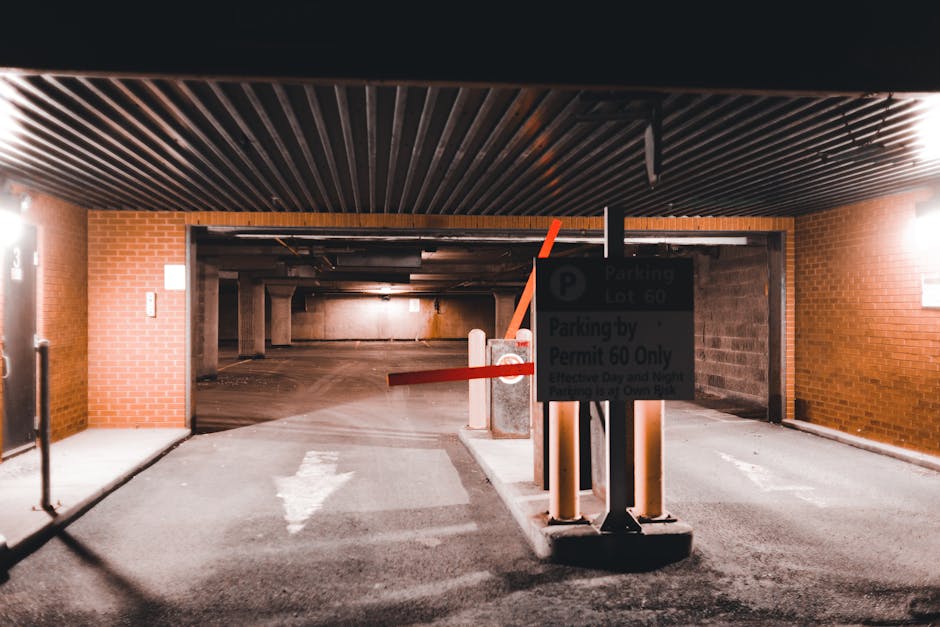
If you are planning a move in Newham, parking can make or break the day. A van that cannot stop close to the property turns a straightforward job into a long carry, extra stress, and sometimes extra cost. That is why What to know about parking permits for Newham removals matters more than most people realise. It is not just admin. It affects timing, safety, access, and how smoothly your movers can work on the day.
Whether you are moving from a flat in East Ham, a house near a busy high street, or an office in a tighter residential road, the parking setup should be part of your move plan from the start. In practice, the best moves are the ones where the permit question was dealt with early, not at 7:30 on a wet Tuesday with the kettle already packed away. Let's get into the details properly.
- Why parking permits matter for Newham removals
- How parking permits for removals work in Newham
- Key benefits and practical advantages
- Who needs a permit and when it makes sense
- Step-by-step guidance
- Expert tips for a smoother move
- Common mistakes to avoid
- Tools, resources and recommendations
- Law, compliance and best practice
- Comparison of parking options
- Real-world example
- Practical checklist
- Conclusion
- Frequently asked questions
Why What to know about parking permits for Newham removals Matters
Parking is one of those things people tend to leave until last. Then they discover the road is double-parked, the nearest bay is across the street, or the only legal space is already booked out by a resident permit holder. For removals, that can quickly snowball. A van parked too far away means longer handling time, more risk of damage, and more fatigue for everyone involved.
In a borough like Newham, where roads can be narrow, mixed-use, and busy at odd hours, the parking plan is part of the move plan. That's especially true for flat removals in East Ham, where stairwells, limited front access, and on-street parking all collide at once. If you are already juggling keys, inventory, cleaning, and handovers, parking should be one less surprise.
There is also a legal side to it. Parking without permission, blocking access, or stopping in a restricted bay can lead to fines, complaints, delays, or the van being moved on. None of that helps a moving day. To be fair, the fine itself is not the worst part; it is the disruption and stress that usually sting more.
A good permit strategy can also improve relationships with neighbours and building managers. A tidy, planned arrival feels professional. It shows you have thought things through. And in residential streets, that matters.
How What to know about parking permits for Newham removals Works
Newham parking rules vary depending on the road, the type of bay, and the time of day. Some streets are pay-and-display, some are resident-only, and others have loading restrictions or short-stay bays. For removals, the key question is not just "Can I park?" but "Can I park legally long enough to unload safely?"
In many cases, moving vehicles may need a permit, a visitor permit arrangement, or a temporary suspension of a bay, depending on the location. The exact process can differ by street, so it is wise to check the relevant local parking guidance for the property you are moving to or from. If the move involves a block of flats, the managing agent or landlord may also have private parking rules. Those matter just as much as the council's.
Here is the practical version: the driver needs a legal stopping place near the entrance, the team needs enough time to work without rushing, and the road needs to remain safe for pedestrians and traffic. Everything else flows from that.
For a company offering man with a van services in East Ham, parking planning is often built into the move schedule. That is not a luxury. It is part of good removal work. The same applies whether you are moving a studio flat or a full family home.
Key Benefits and Practical Advantages
Getting parking sorted early sounds basic, but the benefits are real. A clean parking plan can change the whole tone of the day.
- Less lifting distance: The van can park closer, which reduces carrying time and strain.
- Lower risk of damage: Shorter trips between property and vehicle mean fewer chances for bumps, scrapes, and dropped items.
- Better timing: Your removals team can work to schedule rather than hunting for a space.
- Fewer disputes: Proper permissions reduce the chance of neighbour complaints or parking enforcement issues.
- More predictable costs: Avoiding penalties and delays helps keep the move on track financially.
- Safer for everyone: Less carrying over long distances means less fatigue and a lower risk of mishaps.
It is also worth saying that parking access affects which removal vehicle is the best fit. A smaller vehicle might be easier in a tight street, while a larger van may be fine if there is a clear bay outside the property. That is why good removal planning is never just about boxes and tape. It is about the street too.
If you are still in the planning phase, it may help to review broader move-prep advice such as how to move houses with ease and essential packing tips for a smoother move. Parking is one part of the puzzle, but it is a big one.
Who This Is For and When It Makes Sense
Parking permits are not only for large house moves. They can be useful for a surprisingly wide range of people and situations.
You may need to sort parking if you are:
- moving from a flat on a busy residential street
- moving into or out of a property with no driveway
- using a removal van in a controlled parking zone
- moving at a time when loading restrictions apply
- arranging an office or business relocation
- working with a same-day move and cannot afford delays
This is especially relevant for same-day removals in East Ham, where the schedule is tight and every minute matters. A permit issue can eat into a very narrow window. And once the day is moving, there is not much room to recover.
Students moving into shared accommodation, tenants in tower blocks, and families downsizing into smaller homes often overlook parking because they are focused on the property itself. Fair enough. But if the van cannot park legally within sensible carrying distance, the whole plan becomes harder than it needs to be.
Office moves have their own twist. A building may have loading bays, reception restrictions, or time slots that must be booked in advance. In those cases, parking permissions and building access are part of the same conversation.
Step-by-Step Guidance
Here is a practical way to handle parking for a Newham move without making it complicated.
- Check the exact addresses. Do not rely on the postcode alone. Look at the road, the side street, the frontage, and any obvious restrictions.
- Identify the parking type. Is it resident only, pay-and-display, loading only, or unrestricted at certain times? Read the signs carefully.
- Ask about private rules. If you are in a block of flats, ask the landlord, freeholder, concierge, or managing agent about bays and access.
- Work out vehicle size. A smaller van may fit easier in tighter spaces, while a bigger vehicle may need a clearer loading spot. This is where a good removal van service in East Ham can be very useful.
- Confirm time windows. Some streets are more forgiving at certain hours. Early morning or midweek may be easier, but check the local rules.
- Arrange the permit or suspension early. Do not leave this to the week of the move if the road is likely to be busy.
- Plan the loading route. Think about lifts, stairs, doors, and whether anything will be carried around corners or across a courtyard.
- Communicate with everyone involved. The mover, the customer, and any building contact should all know where the van can stop.
A small but useful habit: take photos of the parking signs and the front of the property a few days before moving. It sounds almost too simple, but those photos can save a lot of back-and-forth later.
If the move involves furniture, bulky items, or awkward pieces, combine the parking plan with your handling plan. For example, if you are moving wardrobes or sofas, the walk from van to door becomes a big part of the work. That is why pages like furniture removals in East Ham and sofa storage and protection advice can help you think ahead.
Expert Tips for Better Results
The cleanest moves are usually the ones where someone has thought two steps ahead. Not ten. Just two. That is enough.
- Build parking into the quote discussion. A move that looks simple on paper may need a parking workaround in real life.
- Use the property entrance that gives the shortest carry. A side gate or rear access may be better than the front if it is legal and practical.
- Keep the loading zone clear. If there is a shared entrance, tell neighbours or building users in advance where possible.
- Allow slack in the schedule. A five-minute delay for parking can easily become twenty.
- Match parking with item type. Heavy or fragile items need the shortest possible carry. Think piano, freezer, mattress, large sofa.
For heavier or delicate items, the parking issue becomes even more important. A piano, for example, should not be carried half a street if it can be avoided. If you are moving one, take a look at piano removals in East Ham and also why piano moving is best left to the pros. It is one of those tasks that looks simple until the staircase says otherwise.
One more thing. If you are packing late at night before an early move, the parking signs can be easy to misread when you are tired. Triple-check them the next morning. Coffee helps. So does light.
Common Mistakes to Avoid
Most parking problems on moving day are avoidable. The usual mistakes are predictable, which is annoying but also useful, because that means you can sidestep them.
- Assuming a van can stop "just for a minute." In some streets, a minute is enough to trigger a penalty.
- Checking the wrong address. Parking rules can change from one side of the road to the other.
- Forgetting private management rules. A council rule and a building rule are not the same thing.
- Not allowing enough loading time. A permit may be legal, but if the slot is too short, you are still under pressure.
- Leaving the permit application too late. Last-minute admin is where the wheels start to wobble.
- Using the wrong vehicle for the access. Bigger is not always better.
There is a quieter mistake too: not telling the removal team about obstacles. Low branches, narrow turns, shared drives, timed gates, and awkward kerbs all matter. A good mover can adapt, but only if they know what they are dealing with.
And if you are cleaning out a property before handover, parking mistakes can add unnecessary pressure. For move-out prep, this guide to move-out cleaning is a useful companion read. The move day and the handover day often blur together, truth be told.
Tools, Resources and Recommendations
You do not need specialist software to organise parking for a move, but a few practical tools help a lot.
- Street-view maps: Useful for checking bay layouts, kerb space, and likely access points.
- Photos of signage: Handy when verifying restrictions with a building manager or mover.
- Phone notes: Keep permit reference numbers, contact names, and time windows in one place.
- Move day checklist: Simple, old-fashioned, and still one of the best tools around.
- Parking contact details: If an issue arises, you want the right number immediately.
For broader move preparation, it is also worth looking at storage and packing support if you are moving in stages. A staggered move can reduce pressure on the loading zone, especially in tighter roads. Our storage in East Ham page may be useful if you are not moving everything in one go, and packing and boxes in East Ham can help if you want to get organised before the van arrives.
If you are comparing services, it is sensible to read more about the team, approach, and service area before booking. Start with about us and the wider services overview. That gives you a clearer picture of how the move is handled, not just how the booking is made.
Law, Compliance, Standards, or Best Practice
Parking for removals sits in a practical overlap between council parking rules, private property rules, and day-to-day logistics. The exact legal position depends on the road, the bay, and the property. That means the safest approach is simple: check the local restrictions, confirm access permissions, and do not assume removal work creates an automatic right to park.
In London, enforcement tends to be fairly active in busy areas, especially where road space is tight. A permit, suspension, or loading arrangement should be arranged in line with the relevant authority or building management process. If you are unsure, ask before the move rather than hoping it will be fine. Hope is not a parking strategy.
Best practice usually includes:
- checking the council guidance for the relevant street
- verifying whether the building has its own parking conditions
- allowing enough time for loading and unloading
- keeping access routes safe and unobstructed
- making sure the mover knows about any restrictions in advance
For companies and households alike, good practice also means respecting neighbours, keeping noise and obstruction to a sensible minimum, and avoiding unnecessary risk. That is especially important in shared access areas and dense residential streets.
If you want to understand how a mover approaches risk and responsibility more broadly, the pages on insurance and safety and the health and safety policy are sensible places to read next. They give useful context on how professional removals should be handled.
Options, Methods, or Comparison Table
There is no single parking solution that fits every Newham removal. The right choice depends on the road, the property, the van size, and how much time you have.
| Parking option | Best for | Pros | Trade-offs |
|---|---|---|---|
| Resident or visitor permit arrangement | Homes on controlled streets | Often close to the property; suitable for longer loading | May need advance planning and confirmation |
| Bay suspension or temporary restriction | Busy roads with limited space | Creates a more reliable loading area | Usually requires notice and coordination |
| Pay-and-display bay | Shorter moves in accessible roads | Simple and familiar | Time limits may be tight |
| Private driveway or forecourt | Properties with off-street access | Most convenient if available | Not always possible for larger vans |
| Nearby legal loading point | Where the front of the property is restricted | Can still work with good planning | Longer carry distances |
In many real-world moves, the answer is a mix of options rather than one neat solution. For example, a resident permit outside the building for the main load, plus a temporary unloading plan for awkward furniture. That blend often works better than trying to force one rule to fit everything.
Case Study or Real-World Example
Imagine a family moving from a first-floor flat in East Ham to a nearby house in Newham. The street outside the flat is narrow, with resident bays on one side and timed restrictions near the junction. The family initially assumes the van can simply stop outside for an hour. In reality, the space available is tighter than expected, and a parked car across the way would make unloading awkward.
Before moving day, they check the parking signs, speak to the building contact, and confirm the best legal stopping point. They also pack by room, so the first items off the van are the heaviest essentials: beds, kitchen boxes, and a sofa. Because the van can stop close enough, the team avoids repeated long carries through a shared entrance. It is quieter, faster, and safer. No drama. That is the whole point.
Now compare that with a move where nobody checks the road restrictions until arrival. The van circles, the loading takes longer, the stairwell gets busier, and everyone starts feeling the clock. Same distance. Very different day.
For a move like that, support from a local team offering house removals in East Ham or removals in East Ham can make a noticeable difference, especially when parking and access need to be handled together.
Practical Checklist
Use this checklist in the days before your move. It is simple, but it catches a lot.
- Confirm the full address and check the road layout
- Read all parking signs near the property
- Check whether the property has private parking rules
- Ask if a permit, bay suspension, or loading arrangement is needed
- Confirm the move window and loading duration
- Share any access issues with the mover early
- Take photos of bays, signs, and the frontage
- Keep contact details for building management or parking support
- Plan the shortest safe carry route from van to door
- Have a backup option in case the first space is unavailable
Expert summary: the best parking plan is the one that removes uncertainty before the van arrives. Keep it legal, keep it close, keep it simple.
Get a free quote today and see how much you can save.
Conclusion
Parking permits might not be the glamorous part of moving, but they are one of the most useful things to get right. In Newham, where streets can be busy and access can be tight, a clear parking plan saves time, protects belongings, and keeps the day calmer than it otherwise would be.
If you remember nothing else, remember this: check the road, confirm the access, and don't leave parking to chance. A few minutes of planning can spare you a lot of chasing around later. And frankly, on moving day, that quiet bit of certainty is worth a great deal.
When the van is close, the boxes are labelled, and everyone knows the plan, the whole move feels lighter. Not perfect, maybe. But better. Much better.
Frequently Asked Questions
Do I always need a parking permit for removals in Newham?
Not always. It depends on the street, the bay type, the time of day, and whether there are private building rules. Some properties have off-street access, while others need a permit or loading arrangement.
Who usually arranges the parking permit?
That depends on the move setup. Sometimes the resident arranges it, sometimes the building management does, and sometimes the removal company helps guide the process. The important thing is that it is confirmed before moving day.
How far in advance should I check parking in Newham?
As early as you can, ideally as soon as you know the move date and address. Parking and access issues are much easier to sort out before the schedule gets tight.
What happens if the van cannot park near my property?
The team may need to use a more distant legal space, which can increase carrying time and make the move slower and harder. In some cases, it may mean revising the van size or move plan.
Can I use a visitor permit for a removal van?
Sometimes, but not always. It depends on the local rules and the type of permit. Never assume a visitor permit is suitable for a commercial removal vehicle without checking first.
Are there different rules for flats and houses?
Yes, often there are. Flats may involve shared entrances, managed parking, or timed access, while houses may have residential bays or driveway options. The practical parking challenge is often different.
Do office removals need parking permission too?
Very often, yes. Office buildings may have loading bays, delivery windows, concierge arrangements, or private parking procedures. It is best to confirm those well before the move.
Can parking issues delay my move?
Definitely. A blocked bay, a permit problem, or a lack of legal stopping space can create delays right at the start of the day. That is why parking should be handled as part of move planning, not as an afterthought.
What should I tell my removal company about parking?
Share the exact address, any known restrictions, access notes, and whether there is a lift, driveway, concierge, or loading bay. The more accurate the information, the smoother the arrival tends to be.
Is it worth paying for professional help if parking is complicated?
Yes, especially if the street is tight, the building is managed, or you have bulky items. A local team used to Newham roads can often spot the practical issue early and help avoid last-minute stress.
What if I am moving something heavy like a piano or large sofa?
Then parking matters even more. Heavy items should be moved over the shortest safe distance possible. If you are moving a large sofa, see sofa handling and storage guidance; for pianos, the specialist service pages are a better fit.
Where can I get a quote or ask about access?
You can start with the team's contact page if you want to ask about access, parking, or timing before booking. A quick conversation early on can save a lot of sorting out later.