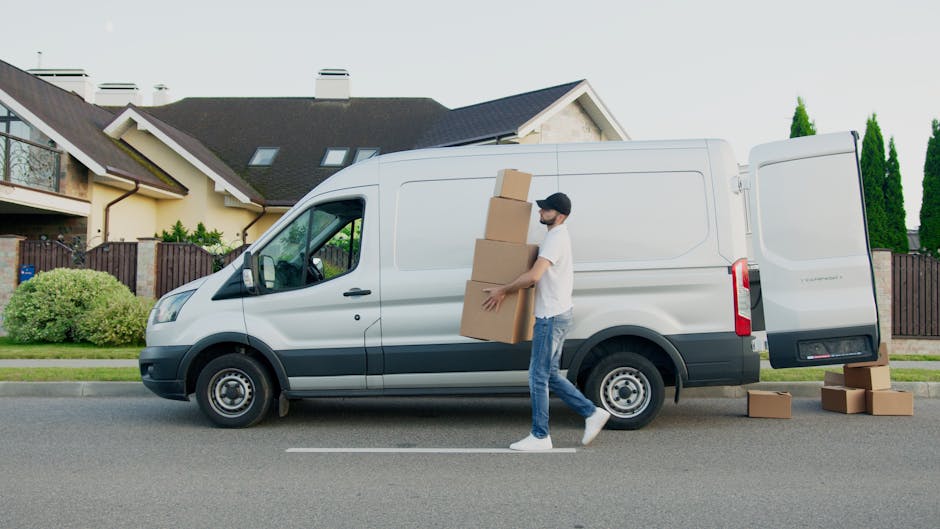
Avoid common mistakes when booking East Ham man and van services
Booking a man and van sounds straightforward until it isn't. One rushed decision, one vague quote, or one forgotten parking restriction in East Ham can turn a simple move into a long, frustrating day. If you are trying to avoid common mistakes when booking East Ham man and van services, you are already ahead of the game. The trick is knowing which details matter before the van arrives, not after the driver is staring at a narrow staircase, a blocked loading bay, or a pile of boxes that somehow got heavier overnight.
This guide walks you through the mistakes people make, why they happen, and how to book with a bit more confidence. We will cover pricing, access, timing, insurance, loading, and the little East Ham-specific issues that often get overlooked. Truth be told, most problems are preventable. A few careful checks now can save you time, stress, and a fair bit of money later.
Contents
- Why avoiding these booking mistakes matters
- How a man and van booking works in practice
- Key benefits of booking well
- Who this is for and when it makes sense
- Step-by-step guidance
- Expert tips for better results
- Common mistakes to avoid
- Tools, resources and recommendations
- Law, compliance, standards and best practice
- Options, methods and comparison table
- Case study or real-world example
- Practical checklist
- Conclusion
- Frequently asked questions
Why Avoiding These Booking Mistakes Matters
In East Ham, moving jobs often involve tight streets, shared entrances, controlled parking, flats above shops, busy loading areas, and timing that needs to be spot on. So when a booking is based on guesswork, the risk goes up quickly. A cheap quote can become expensive once extra labour, waiting time, or an additional vehicle is needed. A simple one-bedroom move can start to feel complicated very quickly.
What many people miss is that a man and van service is not just about transport. It is a service built around planning. The better the planning, the smoother the move. The poorer the planning, the more likely you are to deal with delays, damaged furniture, missed time slots, or a driver who arrives without the right equipment for the job.
East Ham also has its own rhythm. Roads get busy. Access can be awkward. Parking is not always forgiving. If you have ever watched someone try to carry a wardrobe down two flights of stairs while a neighbour politely but firmly wants their hallway back, you will know exactly what we mean.
Expert summary: The best East Ham man and van booking is rarely the cheapest or the flashiest. It is the one with clear pricing, honest access information, realistic timing, and enough flexibility to handle the small surprises that come with London moves.
How Avoiding Common Mistakes When Booking East Ham Man and Van Services Works
A good booking process usually starts with a clear description of what needs moving. That includes the number of items, the size of furniture, the number of floors, whether there is a lift, where the van can park, and whether you need help loading, unloading, or packing. If you skip those details, you are asking the provider to estimate in the dark.
In practice, a proper quote should reflect three things: volume, access, and time. Volume is how much stuff you have. Access is how easy it is to move it in and out. Time includes travel, waiting, parking, and the actual handling of your items. Simple enough on paper. In reality, people often underestimate at least one of those.
Booking well also means reading the service description carefully. Some providers offer a basic driver-only service. Others include lifting help, dismantling, packing materials, or furniture protection. If you assume something is included and it is not, that is where friction begins. It usually starts small, then snowballs.
Here is the part worth remembering: a man and van booking is a logistics decision, not just a transport booking. Once you see it that way, the right questions become obvious.
Key Benefits and Practical Advantages
When you book carefully, the benefits are immediate. The move feels calmer. The quote is easier to trust. The day itself is less chaotic. And yes, you are much less likely to end up paying for avoidable extras.
- Better value: Accurate information helps you avoid surprise charges.
- Less stress: Knowing the van size, arrival window, and support level makes the day easier to manage.
- Fewer delays: Proper access planning reduces waiting around the curb with a half-open box and a headache.
- Lower damage risk: The right van, equipment, and handling approach helps protect furniture and fragile items.
- More predictable timings: A realistic schedule helps everyone plan the rest of the day.
There is also a quieter benefit that people often overlook: peace of mind. To be fair, most of us can cope with a bit of moving-day chaos. What makes it exhausting is uncertainty. A clear booking removes a lot of that uncertainty right away.
Who This Is For and When It Makes Sense
This advice is useful if you are moving a few items, clearing a flat, relocating from a studio or one-bedroom home, picking up furniture, or arranging a small business move in East Ham or nearby parts of Newham. It is also helpful if you have stairs, awkward access, or a narrow time window.
It makes particular sense for:
- tenants moving in or out of flats
- students with limited furniture and a tight budget
- families moving smaller loads in stages
- landlords arranging end-of-tenancy clearances
- small businesses shifting stock, equipment, or office furniture
- anyone buying second-hand furniture that needs collection and delivery
If your move is straightforward, great. But even straightforward moves can go sideways if the access is tricky. That is where planning matters most. A single forgotten parking restriction can undo a very neat plan. Happens all the time, annoyingly enough.
Step-by-Step Guidance
1. Make a proper inventory
Start with a list of everything that needs moving. Be honest. Include bulky furniture, mirrors, appliances, box counts, and anything awkward like plants or office chairs. If you are unsure whether something is "small" or "large", assume it takes more room than you think.
2. Check access at both addresses
Look at stairs, lifts, door widths, hallways, and where the van can stop. In East Ham, this can be the difference between a smooth loading process and a long carry across the pavement. If the property is above shops or on a busy road, mention it early.
3. Ask what is included in the quote
Do not stop at the headline price. Ask about loading help, unloading, fuel, mileage, waiting time, weekend rates, and any extra charges for heavy items. A quote that sounds brilliant until the fine print appears is not brilliant at all.
4. Match van size to the job
A van that is too small can mean multiple trips. A van that is too large can mean you pay for space you never use. The right size depends on the volume, not just the number of rooms. It is a bit like ordering food for a group: everyone says they are "not that hungry" until the bill arrives.
5. Confirm timing and flexibility
Agree an arrival window, not just a vague day. If your building has restricted access or a narrow loading slot, say so. If you need a same-day move, make that clear immediately. Time-sensitive moves need clearer communication than ordinary bookings.
6. Check insurance and handling expectations
Ask how belongings are protected in transit and whether the provider carries suitable insurance. You are not being fussy. You are being sensible. Fragile, valuable, or sentimental items deserve that extra care.
7. Prepare the property before the van arrives
Pack boxes securely, label fragile items, and keep walkways clear. If you are moving from a busy flat, make sure neighbours are not blocked and that stairwells are not cluttered. Small thing, big difference.
8. Reconfirm the day before
A short confirmation message can prevent misunderstandings. Recheck the address, contact number, collection time, and any last-minute changes. That small check often saves a lot of back-and-forth.
Expert Tips for Better Results
In our experience, the best bookings are the ones where the customer is specific without overcomplicating things. You do not need a novel. You do need facts. How many flights of stairs? How many boxes? Is there parking outside? Does the sofa split apart? These are the details that help.
Here are a few practical tips that make a real difference:
- Photograph awkward items. A quick photo of a sofa, mattress, or bulky cabinet can help the provider judge size and handling needs.
- Measure the hard bits. Doorways, stair turns, and lift dimensions matter more than people expect.
- Separate essentials. Keep keys, chargers, documents, and valuables with you rather than in the van.
- Bundle similar items. Boxes grouped by room make unloading faster and less chaotic.
- Plan for parking. If a bay or permit is needed, sort it early. On a London street, this can be the whole game.
And one more thing: if your move includes heavy or awkward furniture, say so up front. A piano, large wardrobe, or oversized mattress is not a "small extra". It changes the plan. Better to be slightly over-specific than to wing it and regret it by lunchtime.
Common Mistakes to Avoid
This is the bit that usually saves people the most money and stress. Let's go through the biggest mistakes one by one.
Booking on price alone
The cheapest quote often looks attractive until it turns out to exclude waiting time, stair carry, or protective equipment. A fair price with clear terms is usually better than a bargain that grows legs.
Giving vague information
Saying "a few things" is not enough. A few things can mean a bed, wardrobe, dining table, and twelve boxes. Or it can mean two chairs and a lamp. The quote will only be as good as the information you provide.
Underestimating access issues
East Ham properties can have narrow entrances, shared hallways, restricted parking, or awkward loading points. If you forget that part, the day can become more complicated than it should be.
Not checking what is included
Some bookings include one driver, some include two people, some include help at both ends, and some do not. Always confirm. It sounds obvious, but this is one of the most common misunderstandings.
Leaving packing too late
Last-minute packing makes every move slower. Loose items, half-sealed boxes, and unlabelled bags waste time and increase damage risk. A rushed box is rarely a good box.
Forgetting about parking or permits
If the van cannot stop nearby, the job becomes harder instantly. Even short walks add up when it is raining and you are carrying a flat-pack table through the dusk. Not ideal.
Ignoring insurance questions
Do not assume your items are covered in the way you expect. Ask direct questions about goods in transit, loading, and accidental damage. Straight answer, straight deal.
Assuming a time slot is fixed forever
Traffic, previous jobs, and access delays can affect timings. A small amount of flexibility helps, especially in London. The strictest schedule in the world still has to live in the real world.
| Mistake | What can happen | Better approach |
|---|---|---|
| Choosing only the lowest quote | Hidden charges or rushed service | Compare what is actually included |
| Giving vague item details | Wrong van size or inaccurate pricing | Share a clear inventory and photos |
| Ignoring access problems | Delays, extra labour, harder unloading | Explain stairs, lifts, parking, and road access |
| Leaving packing too late | Damage risk and slower loading | Pack early and label boxes properly |
| Not checking insurance | Unclear protection if something goes wrong | Ask what cover is provided |
Tools, Resources and Recommendations
You do not need specialist kit to make a booking go well, but a few simple tools help enormously. A tape measure, a notebook or phone notes app, and a camera are the basics. They sound almost too ordinary to mention, but ordinary is often what works.
Useful things to prepare before you book:
- a full item list with rough room-by-room grouping
- photos of larger furniture and awkward access points
- measurements for doors, stairs, and lifts
- clear instructions for entry codes, keys, or concierge access
- details of parking restrictions or loading bays near the property
It can also help to review the provider's general information pages before you book. For example, pricing and quote guidance can help you understand what should be included, while insurance and safety information is useful if you are moving items that matter to you. If you are planning a home move rather than a single-item pickup, the home moves service page can also help you think through the scale of the job.
For bigger or more involved moves, it is worth looking at packing and unpacking support and general removal services. Those pages are especially handy if you are trying to compare a light man and van job with something more complete.
Law, Compliance, Standards and Best Practice
There is no need to turn this into a legal lecture, but a few standards matter. Any removal or transport provider should be clear about terms, pricing, customer responsibilities, and how they handle goods. That kind of clarity is not just good service; it is good practice.
If your move involves parking on a public street, local restrictions may apply. In London, that can include loading bay rules, permit requirements, and time-limited stopping restrictions. The exact rules depend on the street and the council area, so it is wise to check in advance rather than assume the van can simply pull up anywhere. A five-minute check can save a forty-minute headache.
Good providers also tend to have clear policies around safety, complaints, privacy, and payment. That does not mean they are hiding behind paperwork. It means the booking is more transparent. If something goes wrong, you want a process that is easy to follow, not a maze of confusing messages.
You can also look for best-practice signs such as:
- clear written quotations
- transparent terms and conditions
- defined payment methods
- reasonable handling and lifting practices
- safe loading procedures
- respect for building rules and neighbours
In short, the provider should behave like a professional business, not a mate with a van and a spare hour. Nothing against mates with vans, obviously, but you know what I mean.
Options, Methods and Comparison Table
People often compare a man and van booking with larger removals or self-drive hire. Each has a place. The right choice depends on how much you need moved, how much time you have, and how much heavy lifting you want to handle yourself.
| Option | Best for | Pros | Watch out for |
|---|---|---|---|
| Man and van service | Small to medium moves, furniture pickups, flat moves | Flexible, often faster, less hassle | Access details and quote accuracy matter a lot |
| Full removal service | Larger house moves or more complex relocations | More support, often better for heavy loads | Usually costs more and needs earlier booking |
| Self-drive van hire | People comfortable loading and driving themselves | Direct control over timing | You do all the lifting and planning yourself |
If you want convenience without paying for a full-scale removal team, a man and van is often the sweet spot. But that only works well if the booking is accurate. Otherwise you can end up with the disadvantages of several options and the benefit of none. Bit of a mug's game, really.
Case Study or Real-World Example
Imagine a couple moving from a first-floor flat near Green Street into a new place a few streets away. They have a bed, sofa, dining table, ten boxes, and a washing machine. They book a van based on a rough estimate over the phone and mention only "a few bits".
On the day, the van arrives and the driver quickly sees two issues. First, the sofa will need extra care going down a tight stair turn. Second, the road outside the new place is busy and stopping points are limited. The job is still possible, but it takes longer than expected and the quote no longer matches the work involved.
Now imagine the same move with a better booking. The couple send photos of the sofa and stairs, confirm that there is no lift, mention the washing machine, and ask about loading access near both addresses. The provider brings the right vehicle, allows enough time, and knows to plan for a slower hand-carry. The move is still a move - a bit dusty, a bit tiring, maybe someone loses a tape measure for five minutes - but it runs far more smoothly.
That is the real difference. Not magical perfection. Just fewer surprises.
Practical Checklist
Use this before you confirm your East Ham man and van booking.
- Have you listed all large and small items?
- Do you know whether stairs, lifts, or tight hallways are involved?
- Have you checked parking or loading access at both addresses?
- Do you understand exactly what the quote includes?
- Have you asked about waiting time, mileage, and extra labour charges?
- Do you know whether the provider will help load and unload?
- Have you confirmed insurance and handling expectations?
- Have you packed and labelled boxes properly?
- Are fragile or valuable items clearly identified?
- Have you shared the correct contact details and collection time?
- Have you asked about payment terms and methods?
- Have you allowed a little flexibility for traffic or access delays?
If most of those boxes are ticked, you are in a much stronger position. Not perfect, perhaps, but properly prepared - and that counts for a lot.
Conclusion
The easiest way to avoid trouble is to treat a man and van booking like a small logistics project rather than a last-minute favour. Be clear about what needs moving, be honest about access, and make sure the quote matches the actual work. That simple shift in thinking can save a lot of stress.
In East Ham, where parking, access, and timing can all change the shape of a move, careful booking matters even more. Ask better questions, read the details, and choose the service that matches your real needs, not just the cheapest headline.
If you do that, you are far more likely to get a smooth move, a fair price, and a day that feels manageable instead of messy. And on moving day, manageable is a very good word indeed.
Get a free quote today and see how much you can save.
Frequently Asked Questions
What is the most common mistake people make when booking a man and van in East Ham?
The most common mistake is underestimating the job and giving too little detail. If you do not mention stairs, parking issues, bulky furniture, or extra items, the quote may be inaccurate and the move may take longer than expected.
How far in advance should I book East Ham man and van services?
If you can, book as early as possible, especially for weekends, month-end moves, or busy periods. Short-notice bookings can still work, but your options may be narrower and timings less flexible.
Should I choose the cheapest quote I get?
Not automatically. A very low quote can leave out essentials such as loading help, waiting time, mileage, or insurance expectations. Compare what is included, not just the headline price.
What information should I give when asking for a quote?
Give a full item list, access details, floor level, lift availability, parking notes, and any awkward items. Photos are helpful too. The more specific you are, the better the quote should be.
Do I need to worry about parking in East Ham?
Yes, absolutely. Parking and loading access can make a big difference to the cost and timing of the move. Check whether a loading bay, permit, or other restriction applies at either address.
Is a man and van suitable for a full house move?
Sometimes, but it depends on the size of the property and how much furniture you have. Smaller house moves can work well with a man and van, while larger or more complex moves may need a fuller removals setup.
What should I ask about insurance?
Ask what cover is provided for goods in transit, loading, unloading, and accidental damage. You want clear answers before the move starts, not guesswork after the fact.
How do I know what van size I need?
Start with the amount of furniture and boxes, then think about access. A small load may need a smaller van, but awkward or bulky items can change that. If you are unsure, ask for guidance and share photos.
Can I book same-day East Ham man and van services?
Sometimes yes, depending on availability. Same-day moves are more likely to work if you are flexible and able to give clear instructions quickly. They can be convenient, but they need even better communication than a planned booking.
What makes a booking feel trustworthy?
Clear pricing, direct answers, written terms, sensible questions about your move, and a professional approach are all good signs. A trustworthy provider wants the details because the details help the job run smoothly.
Should I pack everything before the van arrives?
Ideally, yes. Packing early keeps the move efficient and reduces damage risk. If you need packing help, ask about it before the day of the move so it can be included properly.
What if my access is awkward or there is no lift?
Tell the provider as early as possible. Awkward access does not automatically mean the move will be difficult, but it does mean the plan needs to reflect reality. That honesty helps a lot.
If you want a smoother move, a calmer day, and fewer nasty surprises, the best place to start is with clear details and a sensible quote. Small checks now, less stress later - simple as that.